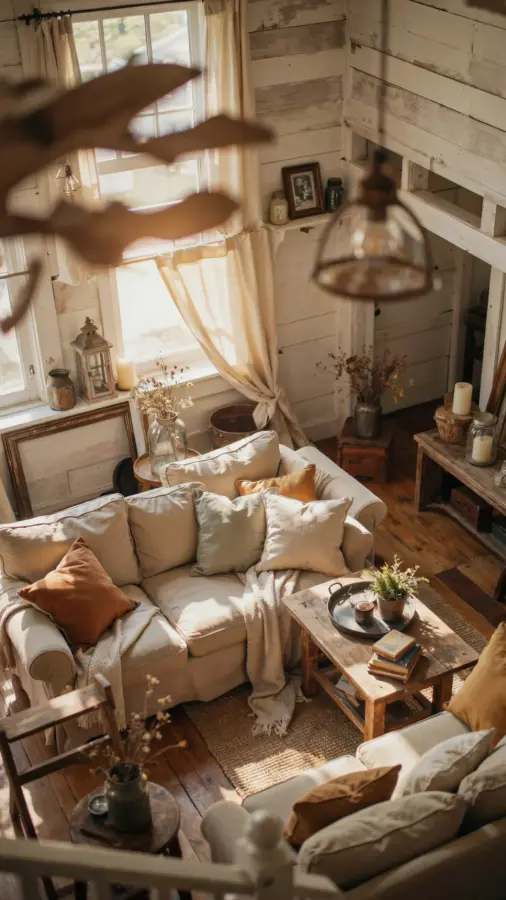
Why Your Sofa Choice Makes or Breaks a Small Living Room
Finding the right living room sofas for a compact space can feel like a puzzle. You want something that looks good, feels comfortable, and doesn’t overwhelm the room. I have been through this process myself, and I learned that the secret is to start with measurements and end with fabric samples. If you are short on square footage, a comfortable couch is not just a piece of furniture – it is your daily seat, your guest bed, and your coffee break spot all in one. Let me walk you through the steps that actually work, from planning to purchase.
Step One: Measure Your Space Like a Pro
Before you even browse CouchIdeas online, grab a tape measure. You need three numbers: the length of the wall where the sofa will go, the distance from that wall to the opposite furniture, and the width of your doorway. This last one is often forgotten, and I have seen people buy a sofa that would not fit through the front door. Write down the dimensions, and also mark where electrical outlets and windows sit.
For a small living room, leave at least 18 inches between the sofa and the coffee table. That keeps the path open. Also, measure your ceiling height – a low back sofa can make a room feel taller. These concrete numbers will guide you when you read sofa descriptions later.
Step Two: Choose a Sofa Shape That Creates Space
When you think of SmallSpaceSolutions, shape matters more than color. A classic three-seater is often too deep for a narrow room. Instead, consider a compact sectional with a chaise on one side. This gives you a lounge spot without taking up the whole wall. I prefer a left‑hand or right‑hand facing chaise – pick the side that fits your room’s flow.
Alternatively, a loveseat plus an ottoman that doubles as storage can work beautifully. If you have an awkward corner, look for a backless sofa or a daybed. The key is to avoid pieces that cut the room in half. A sleek, armless design also adds visual floor space.
Step Three: Test Comfort Before You Commit
Sofas can feel different in a showroom than at home. Sit on the couch for at least ten minutes. Try lying down too. Check the seat depth – 20 to 22 inches is standard for average height people, while deeper seats suit tall folks. The cushion fill matters: high‑density foam is firm and holds its shape, while down‑filled cushions feel softer but need regular fluffing.
For daily use, look for a kiln‑dried hardwood frame and sinuous spring suspension. That combination lasts. Do not be shy about asking for a fabric swatch and putting it on your floor at home. Natural light changes everything, and you want to see how the color looks next to your rug.
Step Four: Pick a Neutral Base and Add Layers
This is where SofaStyling becomes fun. Choose a neutral color for the sofa itself – warm gray, beige, or soft navy. Neutrals are forgiving in small rooms because they let the eye rest. They also allow you to change your decor with season or mood. Then add two or three throw pillows in a contrasting texture: a knit pillow, a velvet one, and a pattern that picks up an accent color from your room.
A small sofa can feel more intentional with a lumbar pillow placed in the center. And do not forget a lightweight throw blanket draped over the back. It softens the lines and makes the couch feel inviting. Avoid huge pillows that eat up seating space.
Step Five: Consider Storage and Multi‑Purpose Features
LivingRoomSofas in a small area should earn their keep. Look for pieces with built‑in storage under the seat, or a pull‑out sleeper mechanism for guests. A storage ottoman is another smart addition – it hides blankets and magazines while serving as a footrest or extra seat.
Some modern sofas have removable back cushions that can convert into a floor seat. If you host often, a futon frame with a thicker mattress is an honest option. Just make sure the mattress is at least 6 inches thick for real comfort. Multi‑purpose furniture saves you from needing extra pieces that crowd the room.
Step Six: Use Bullet Points to Compare Options
When you are down to two or three choices, make a list. Here is a quick checklist I use:
- Seat height – 17 to 19 inches suits most people; too low is hard to get up from.
- Arm width – narrow arms (under 4 inches) maximize seat surface area.
- Back height – low back (under 30 inches) keeps the room feeling open.
- Fabric type – performance fabrics like treated polyester resist stains and fading.
- Removable covers – a huge win for cleaning and refreshing your space.
This list helps you see past the sales pitch. I always ignore terms like “luxurious” and stick to these facts. Your HomeDecorTips should be practical, not poetic.
Step Seven: Think About Delivery and Placement
Once you order, plan the delivery day. Measure your hallway and elevator if you live in an apartment. Ask the retailer if the sofa comes in two pieces – many
#LivingRoomSofas #SofaStyling #SmallSpaceSolutions #CouchIdeas #HomeDecorTips
Leave a Comment